
The Pumpkin Lady
Oct 30, 2026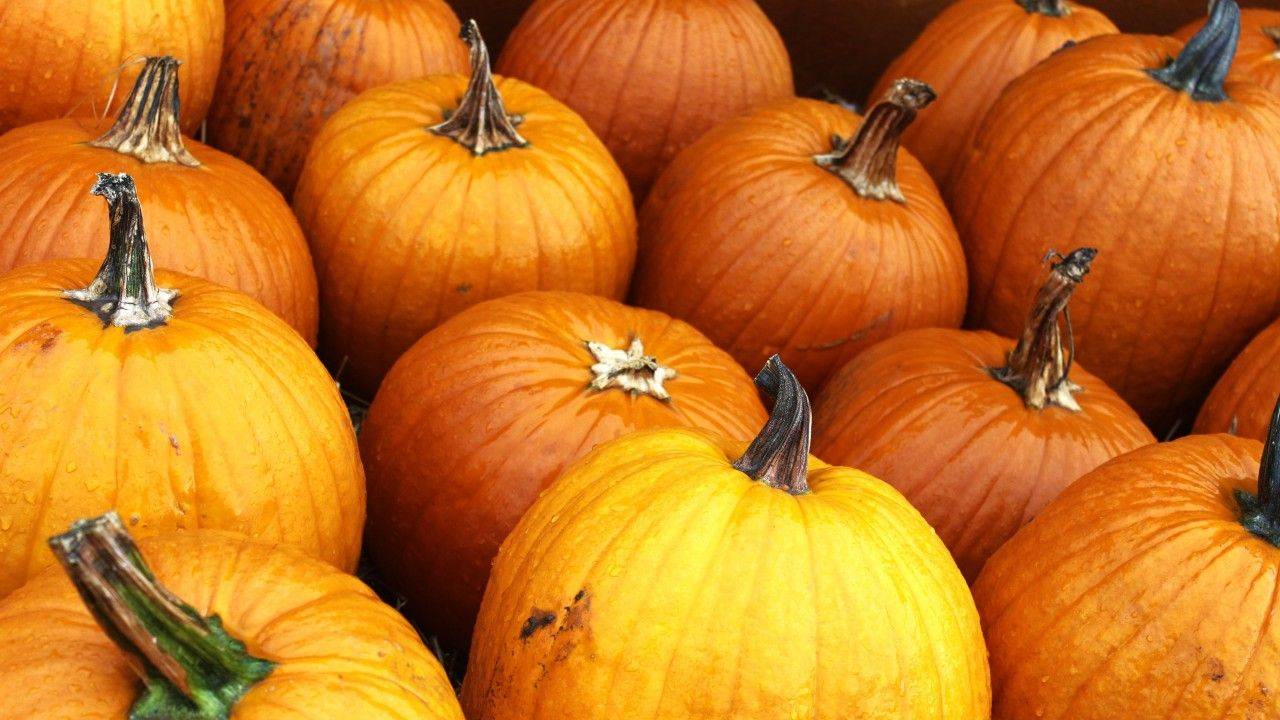
Ever taken “above and beyond” just a little too far?
Somewhere in Santa Barbara, there’s a family that may still remember me as the Pumpkin Lady.
Years ago, I was invited to spend a weekend with friends. It was pumpkin season, so I decided to bake two loaves of homemade pumpkin bread.
Not from a can. From scratch. With real pumpkins.
I’d never done it before. How hard could it be?
I had no idea how many pumpkins it took to make two loaves, so I bought six.
Six pumpkins. Two loaves. That should have been my first clue.
Before long, the kitchen had become a pumpkin processing facility, and everyone had been recruited. Pumpkins were being cut, roasted, scraped, and pureed. Baking sheets went in and out of the oven. Mixing bowls multiplied. Someone was laughing too hard to be useful.
There was pumpkin on the counters. On the floor. Up our sleeves. There were even strings of it on the ceiling.
How does pumpkin get on the ceiling?
Nobody knew. Nobody owned up.
And we still hadn’t mixed the batter.
By the end, we had baked ten loaves of bread. For four people.
I don’t have photos of it but I searched Google for pictures of pumpkin loaves and I really think it looked something like this (quantity and variety on purpose) 😄
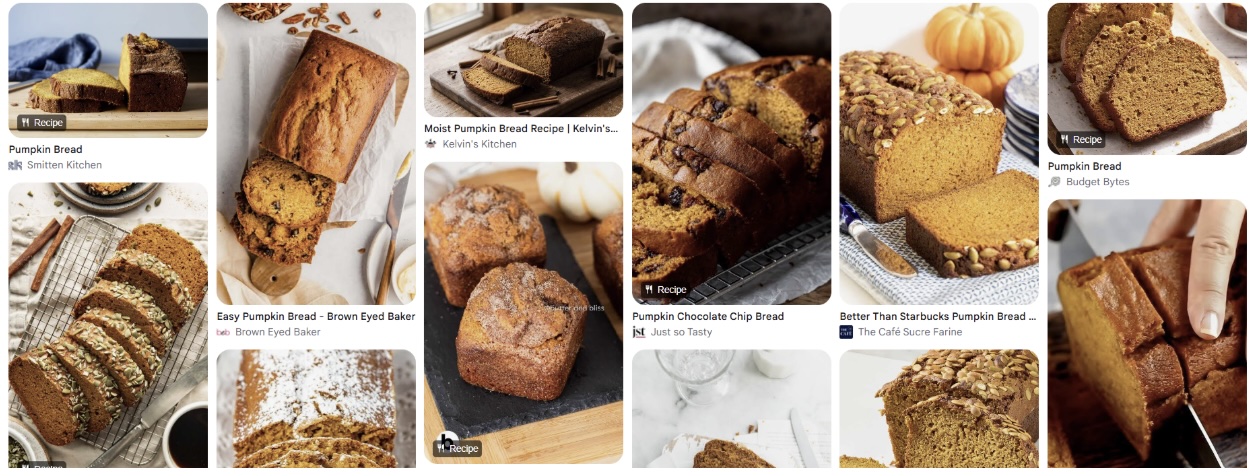
The bread was delicious, by the way. Just wayyy too much.
Why Good Qualities Lead Us Astray
If you’ve ever done something like this, you’re in good company.
After four decades in psychology and years of leading teams, I’ve noticed something: the people who overdo things are often the ones who care the most. They’re committed, conscientious, creative, generous, and driven. They bring real strengths to what they do.
And when those strengths go into overdrive, the entire team can end up in the pumpkin processing facility.
Psychologists have a name for what happens next: strengths overuse. Three simple ideas explain it.
1. Strengths have a dial, not a switch.
Researchers describe this as the “too much of a good thing” effect. Confidence is helpful, until it turns into not listening. Thoroughness is helpful, until nothing ever gets finished. Generosity is helpful, until it leaves you depleted. Almost every strength works best at a setting that fits the situation, and the trouble starts when the dial keeps turning past it.
2. We tend to repeat what works.
If being thorough has earned us praise, we may keep checking and refining long after the work is good enough. If saying yes has made us dependable, we may keep saying yes even when our plate is already full.
We don’t always question these habits because they’ve served us well before. We know how to do them, we feel comfortable doing them, and people may even reward us for doing more.
That’s why the problem can show up in the very things we’re good at, rather than in the things we struggle with.
3. We can lose sight of what we set out to do.
When we’re absorbed in making something better, it’s easy to forget what we were trying to accomplish in the first place. We keep working, refining, adding, and improving. But are those extra efforts actually helping us get where we want to go?
My goal was two loaves of pumpkin bread. Somehow, I ended up with ten.
The extra effort wasn’t necessarily bad. The question was whether it was still serving the original purpose.
None of this means your strengths are a problem. It means they need a steering wheel, not a brake. And steering, which is self-awareness plus choice, is a resilience skill.

The Loaf Test
Here’s a simple way to catch yourself before a small project turns into a pumpkin processing facility.
I call it the Loaf Test. It comes down to three questions.
1. What’s my loaf?
Before you begin, decide what you’re actually trying to accomplish.
Mine was two loaves of bread. I knew that, but I never said it out loud. And I never stopped to reconsider when the project started growing.
Try this:
Finish this sentence in writing:
“Done looks like __________________________.”
A presentation that’s clear, not flawless.
A dinner that’s warm, not catered.
A launch that’s ready, not perfect.
When you know what done looks like, you have something to measure your efforts against.
2. What’s my pumpkin on the ceiling?
Runaway projects usually give us clues before they get out of hand.
Maybe a simple task keeps generating more tasks. Maybe you’re recruiting other people to help with something that was supposed to be straightforward. Maybe you’re redoing work that was already good enough.
Those are your warning signs.
Try this:
Think about the last time you took something too far. What happened first? Did you start adding unnecessary steps? Did you keep putting in more time? Did you find yourself saying, “While I’m at it, I might as well…”?
Name your early warning signs. The sooner you recognize them, the sooner you can decide what to do about them.
And if you happen to find pumpkin on the ceiling, you may already have your answer.
3. Is this still serving the loaf?
Once you notice a warning sign, pause.
Ask yourself whether the extra effort is helping you achieve what you wanted, or whether you’re simply doing more because you can.
Sometimes, the extra effort is worth it.
That chaotic afternoon in Santa Barbara became one of my favorite memories. We laughed, we baked, and we ended up with a ridiculous amount of delicious bread. I wouldn’t trade that experience for two perfectly measured loaves.
The difference is that I can look back and recognize what happened. And next time, I can choose whether I want to repeat it.
Try this:
When you catch yourself overdoing something, ask, “Is this still serving the loaf?”
Then make a conscious decision about what comes next.
The point isn’t to do less all the time. It’s to recognize when you’re doing more than you intended and decide whether that extra effort is worth it.
Your Own Pumpkin Lady Moment
Maybe you’ve never bought six pumpkins for just two loaves of bread.
But perhaps you’ve spent hours perfecting a presentation that was already excellent. Or exhausted yourself preparing for something that was supposed to be enjoyable. Or planned so carefully for an opportunity that you lost the chance to pursue it.
That last one stings, doesn’t it?
Wanting to do your best is a real strength. The skill is recognizing when that strength has taken you beyond what you intended—and remembering that you have a choice about what comes next.
So the next time you find yourself adding one more step, taking on one more task, or making something just a little more elaborate, stop for a moment.
What’s your loaf?
Is your effort still serving it?
As for me, next time I’ll start by figuring out how much pumpkin I actually need. And I’ll check the ceiling before declaring the kitchen clean.
More isn’t always better. Sometimes it’s simply more.
